Indoor or Outdoor Wedding? How to Pick the Setting That Actually Fits Your Day
Quick Answer: In the desert Southwest, the indoor-versus-outdoor decision comes down to one variable most couples underestimate at first: the calendar. An outdoor ceremony can be stunning during the narrow stretch of cooler months, but for most of the year a fully climate controlled indoor space gives you far more control over comfort, lighting, sound, and timeline than an open-air setting ever will. The right choice depends less on personal taste and more on your date, your guest list, and how much you want the weather influencing your day.
Every couple pictures their wedding a little differently before the planning starts. Some imagine string lights strung between trees and a warm breeze drifting through during the toasts. Others picture a grand room, chandeliers overhead, and a dance floor that stays exactly as comfortable at midnight as it was at sunset. Both pictures are valid. What changes everything is when your wedding actually falls on the calendar, because in this part of the country the weather doesn't cooperate evenly across twelve months. It cooperates for a few of them, and it works against you for the rest.
Why This Decision Carries More Weight Here Than Elsewhere
Couples who grew up in milder climates sometimes bring assumptions from other places into this decision, and those assumptions don't always hold up here. A backyard wedding in a temperate region might work in June, July, or August without much fuss. In the desert, those same months bring triple digit afternoon highs that make a formal outdoor ceremony miserable for guests standing in dress shoes and suits. Add in the monsoon season that arrives in mid-summer, with sudden wind gusts and dust that can appear with almost no warning, and an open-air plan stops being a simple aesthetic choice. It becomes a logistical bet.
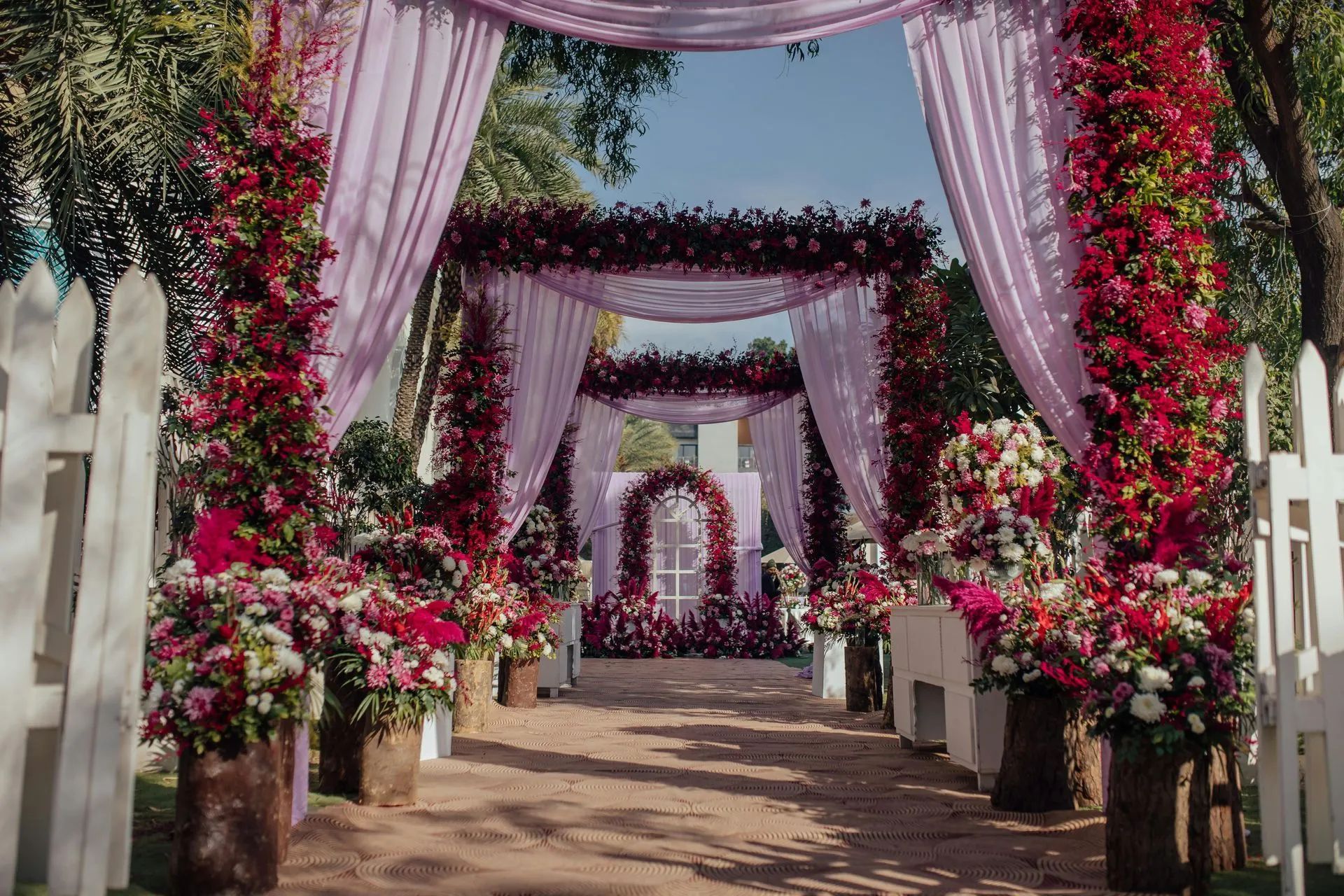
None of this means outdoor weddings don't work here. They absolutely do, for a good part of the year. It just means the decision deserves more thought than "which one looks prettier in photos," because the setting you choose also determines how your guests feel for the several hours they're there with you
Start With the Calendar, Not the Aesthetic
Before you fall in love with a particular look, pin down your date or your target season. That single piece of information will tell you more about whether outdoor makes sense than any photo gallery could. From late spring through early fall, average highs regularly climb into the high 90s and past 100 degrees, with July and August frequently topping 104 to 106 degrees in the afternoon. Standing outside in formalwear during those months, even for a twenty minute ceremony, is a different experience than a summer wedding almost anywhere else in the country.
The cooler stretch of the year tells a different story. Once you move into late November through February, average highs typically sit in the 60s and 70s, and the air loses the dry, radiant heat that makes summer outdoor events difficult. That window is exactly why it fills up first on venue calendars, and why couples who want an outdoor ceremony in that season often need to plan far ahead to lock in a date.
The Narrow Window That Actually Works Outdoors
October through December tends to be the sweet spot most planners point to, with daytime temperatures in the 70s and 80s and evenings cooling into the 50s and 60s. It's comfortable, it's scenic, and it's popular for exactly those reasons. If your heart is set on an outdoor ceremony, that stretch of the calendar is where it makes the most practical sense. Outside of it, an outdoor plan asks a lot of your guests, and it asks even more of your vendors, who have to manage heat sensitive flowers, melting cake tiers, and equipment that doesn't love direct sun for hours at a time.
What an Indoor Setting Solves That Weather Never Will
A room with real climate control removes an entire category of risk from your wedding day. You're not checking a ten day forecast with dread. You're not building a rain or heat contingency plan into your timeline. You're not asking your officiant to cut the ceremony short because guests are visibly wilting in the sun. The temperature in the room on your wedding day is the same temperature it will be regardless of what's happening outside, and that consistency extends to almost everything else about the event.
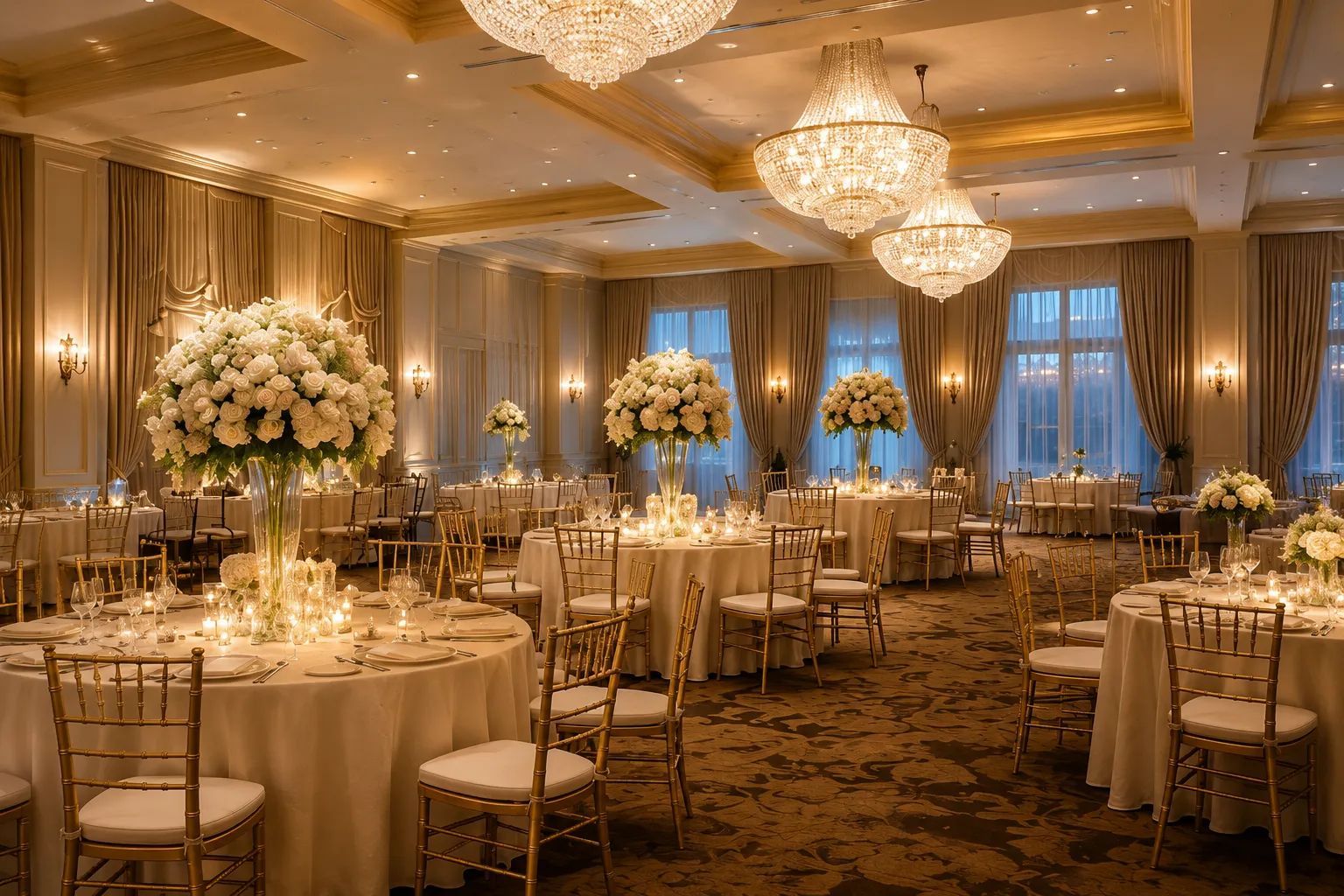
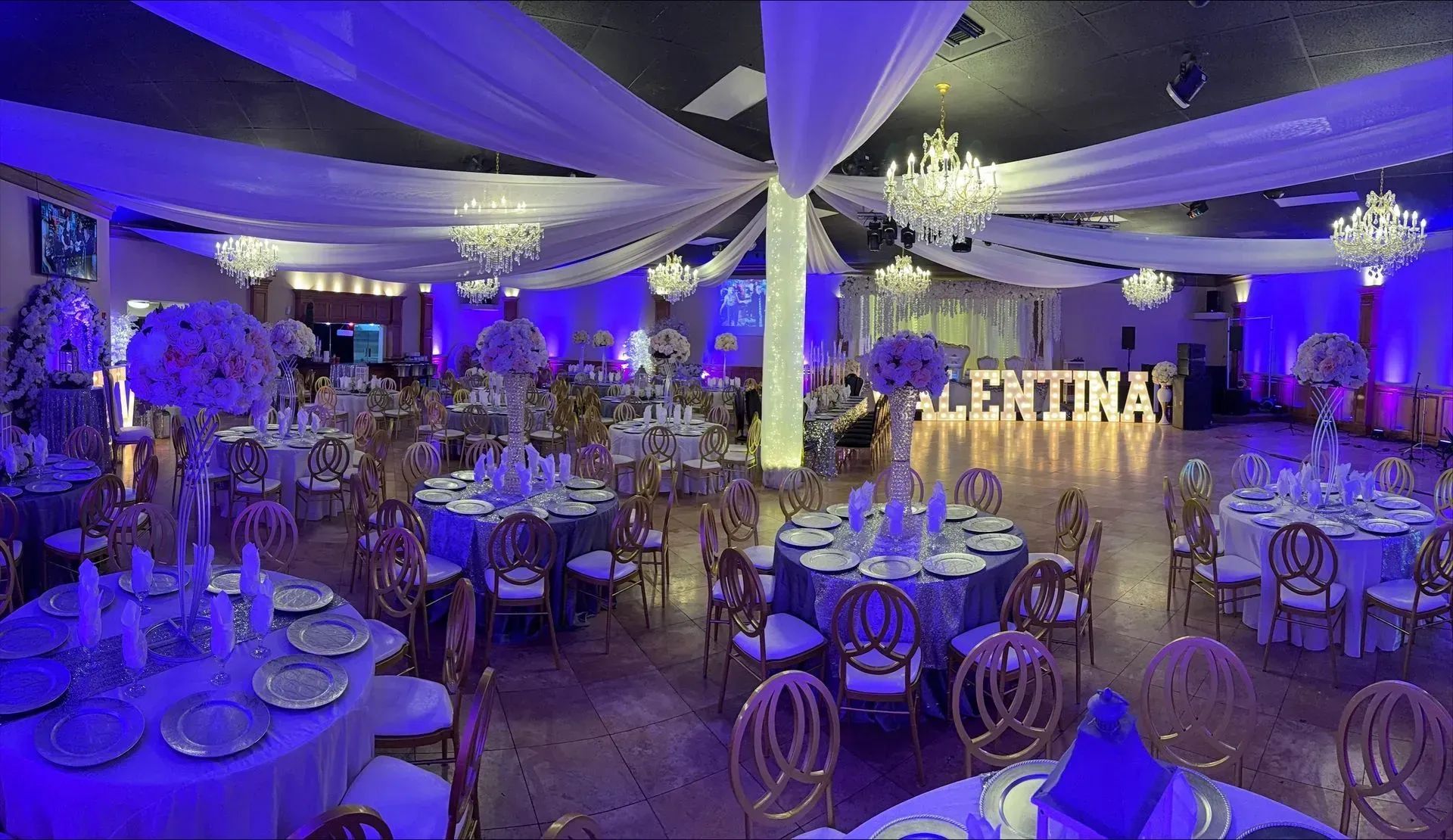
Lighting stays where you put it instead of shifting with the sun. Sound stays clean instead of fighting wind gusts that can turn a beautifully written vow into something half the guests can't hear. A dance floor that gets set up at two in the afternoon looks and feels the same at eleven that night. These aren't small conveniences. They're the difference between a day that runs on your schedule and a day that runs on the weather's schedule, and only one of those is something you can actually plan around with confidence.
Tip: If you're drawn to an outdoor aesthetic but nervous about the risk, ask any venue you're touring how they handle string lighting, draping, and floral arrangements indoors. A well-designed indoor space can borrow almost every visual element people associate with an outdoor wedding, from soft ambient lighting to greenery and open sightlines, without any of the weather exposure.
Guest Comfort Changes How the Whole Day Feels
It's easy to focus on how a setting looks and forget how it feels to actually stand in it for several hours. Grandparents, young children, and guests traveling from out of state don't always tolerate extreme heat or cold the way the couple getting married might. A ceremony that runs fifteen minutes in the heat can leave older guests uncomfortable well before the reception even begins, and a reception where people are managing their own comfort instead of enjoying themselves tends to lose energy earlier in the night.
Indoor settings remove that variable almost entirely. Guests arrive, they're comfortable immediately, and they stay that way whether the celebration runs three hours or eight. That consistency tends to translate directly into a livelier room later in the evening, because nobody is quietly counting down until they can step somewhere cooler or warmer.
Cultural and Family Traditions Often Point You Indoors
Weddings that include specific cultural or religious traditions frequently come with their own timing requirements, seating arrangements, or ceremonial elements that don't flex easily around weather. A ceremony that traditionally runs long, involves multiple generations standing for extended periods, or includes elements like live music and dancing throughout the reception benefits enormously from a controlled environment where none of those pieces have to be shortened or rearranged because of heat or wind. If your celebration honors traditions passed down through your family, it's worth asking how flexible an outdoor plan would actually be if those traditions ran past what the weather allows.
Warning: Don't assume a "rain plan" or "heat contingency" offered by an outdoor venue is a real backup option until you've seen it in detail. Some contingency spaces are smaller, less finished, or simply a tent thrown up at the last minute. Ask specifically what the alternate space looks like, how much notice the venue needs to activate it, and whether your full guest count and layout actually fit inside it comfortably.
Can You Get the Best of Both?
Plenty of couples want the feel of an outdoor wedding without the actual exposure, and that's a completely reasonable middle ground. Indoor venues with tall windows, open sightlines, and airy design can capture much of that atmosphere while keeping guests fully protected from the elements. Some couples plan a short outdoor moment, like photos or a brief cocktail hour segment during the cooler part of the day, and then move the ceremony and reception indoors where the temperature and sound stay consistent for the rest of the night. This kind of hybrid approach lets you keep a few outdoor touches without betting your entire timeline on the weather cooperating.
Frequently Asked Questions
Is an outdoor wedding ever a good idea in the desert?
Yes, particularly if your date falls between late October and December, when daytime temperatures are comfortable and evenings cool off nicely. Outside that window, an outdoor plan asks a lot of your guests and adds real risk to your timeline.
What if I really want an outdoor look but I'm getting married in the summer?
Consider an indoor space with an open, airy design instead. Tall windows, greenery, and soft lighting can recreate much of that outdoor feeling while keeping your guests fully comfortable regardless of the temperature outside.
How far in advance should I book if I want an outdoor ceremony in the popular fall or winter months?
Those months tend to book up faster than the rest of the year precisely because the weather cooperates. If an outdoor ceremony in that window matters to you, start touring and reserving well ahead of your target date.
Does an indoor venue limit how personal or unique my wedding can feel?
Not if the venue is designed with flexibility in mind. Lighting, layout, and decor can all be adjusted to reflect your specific style, and a well-equipped indoor space often gives you more creative range than an outdoor setting where the surroundings are fixed.
What should I ask about a venue's backup plan if I still want to try for outdoor?
Ask to see the actual alternate space in person, not just hear it described. Confirm it comfortably fits your full guest count and ask how much notice the team needs to make the switch if weather changes late.
Creating a Wedding Day That Feels Effortless
For the last 17 years, La Princesa has welcomed couples celebrating weddings in Phoenix, AZ, where every season brings different planning considerations. Choosing between an indoor and outdoor setting is rarely about following trends. It is about selecting the environment that best supports your date, guest experience, traditions, and overall vision. When those practical pieces come together, the celebration feels relaxed, comfortable, and memorable from the first arrival through the final dance.
Whether your style leans toward elegant indoor surroundings, scenic outdoor moments, or a thoughtful combination of both, the best venue is one that complements your priorities without forcing compromises. Looking beyond the appearance of a space and considering comfort, flexibility, and seasonal conditions helps create a wedding that unfolds naturally, allowing every meaningful moment to take center stage while the setting quietly supports the entire experience.